Person making a listening gesture

Hearing Loss

How hearing
loss occurs

Hearing depends on sound traveling through the outer and middle ear to the cochlea and then the brain. Early detection lets us treat the cause and reduce the impact on communication and quality of life.

  • Conductive: sound doesn’t enter well (wax, infection, perforation, otosclerosis).
  • Sensorineural: cochlear or nerve damage (age, noise, drugs).
  • Mixed: both components.
Ear detail with hearing aid

Early signs—when to act

You turn up the TV, ask people to repeat, struggle to follow group conversations or children’s/soft voices, hear ringing (tinnitus), or feel listening fatigue at day’s end. You may also need captions or have trouble locating where sounds come from. If this sounds familiar—even occasionally—book a hearing test. The earlier we fit support, the better the speech clarity, comfort and long-term outcomes.

Ear with device

If it’s left untreated

Untreated hearing loss is linked to social withdrawal, higher cognitive load, poorer sleep, balance issues and reduced safety in daily life. It can strain work and relationships over time. The good news: today’s discreet, rechargeable, Bluetooth-enabled solutions restore clarity and keep you connected with the sounds that matter.

Side view of the ear

SONIVA personalized solutions

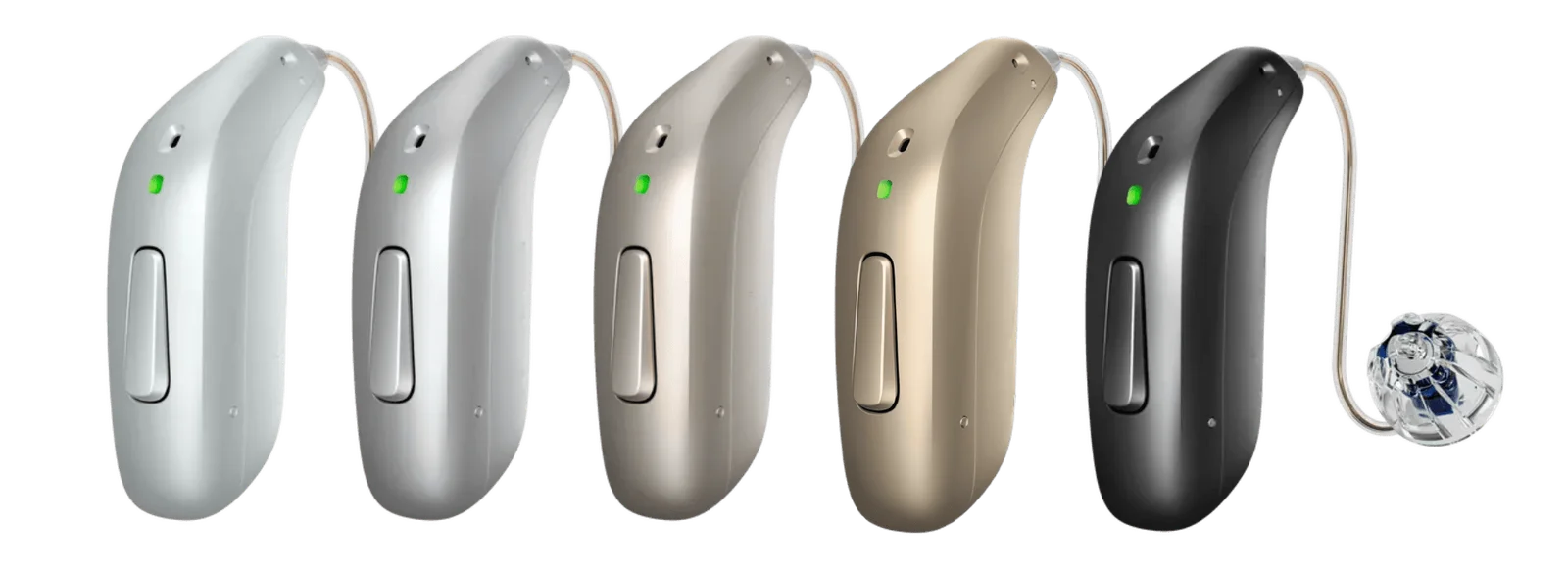
We use Swiss-precision prescription hearing aids, proper domes/filters and tinnitus programs when needed. We select the device to match your audiogram, lifestyle and dexterity—and support you throughout.

Line of hearing aids
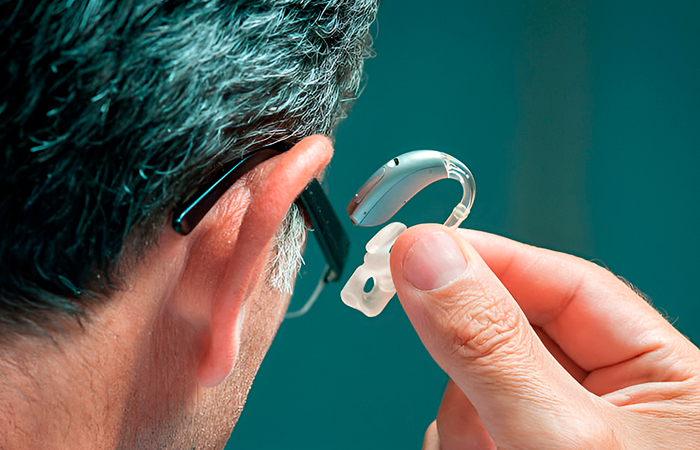
Close-up of the ear

Fitting & follow-up

Effective fitting combines fine calibration (incl. real-ear measures), personalized programs for your environments and a gentle acclimatization plan. We review performance at 2–4 weeks and then every 3–6 months, with remote support when needed. This ensures comfort, speech understanding and independence—plus cleaning and maintenance guidance to keep everything in top shape.

Frequently Asked Questions

1) Is hearing loss reversible?
Conductive losses are often treatable; sensorineural losses are usually permanent, but hearing aids can greatly improve understanding and well-being.
2) Are hearing aids very noticeable?
No. Modern RIC/BTE designs are very discreet, with Bluetooth and fast charging.
3) Will I get used to amplified sound?
Yes. The brain needs an adaptation period—hence our adjustment and follow-up plan.
4) Can I use only one aid?
With bilateral loss, binaural fitting improves localization and hearing in noise. We’ll tailor it to your case.
5) How often should I check my hearing?
After the initial fit, schedule reviews every 3–6 months, or sooner if anything changes.