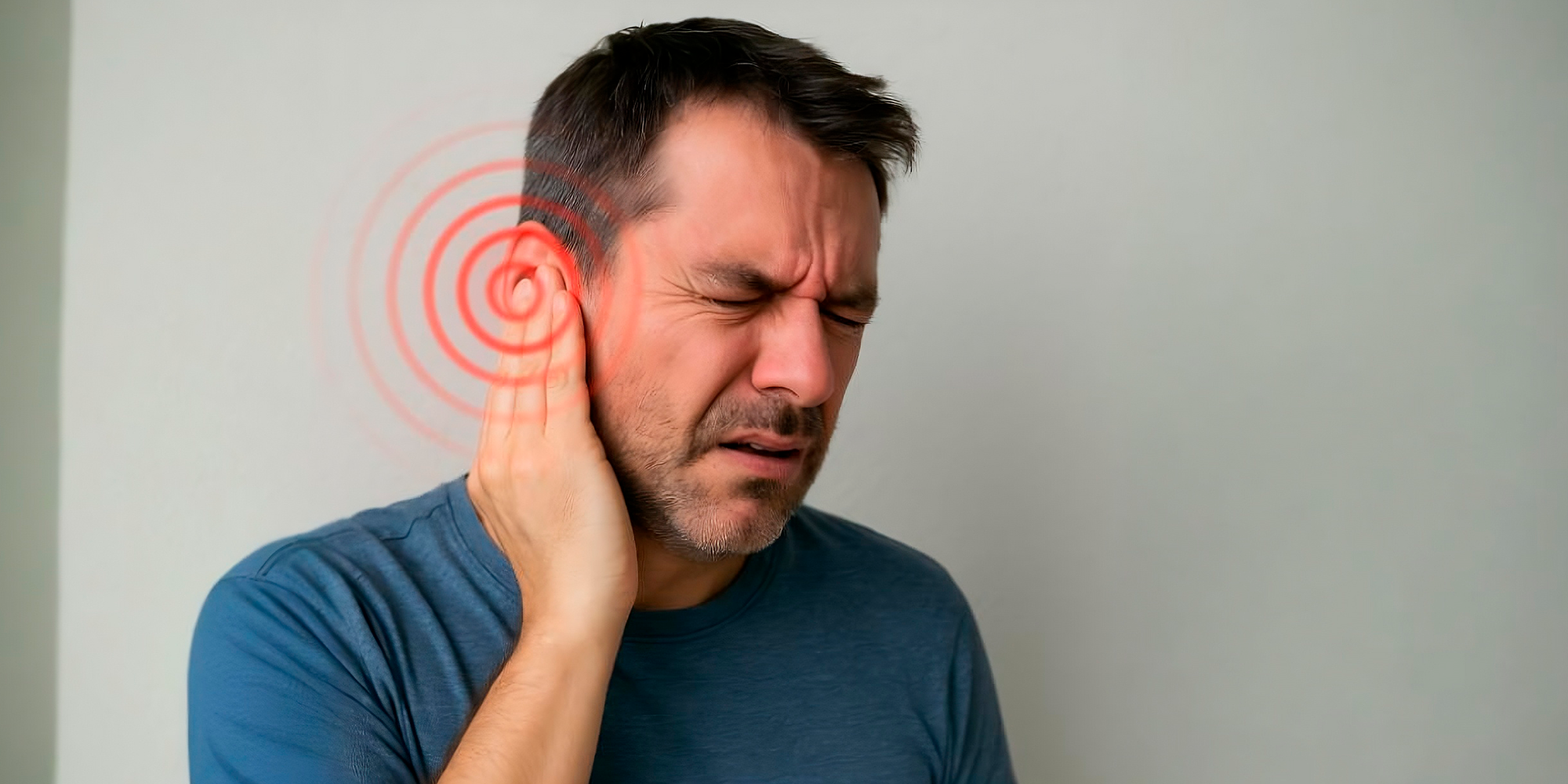
Person touching their ear

Tinnitus

What is tinnitus?

Tinnitus appears when the auditory system sends signals that the brain interprets as sound. It can be constant or intermittent and vary in loudness. It’s often linked to hearing loss, noise exposure, earwax, ototoxic drugs or stress. Proper diagnosis guides the clinical management and relief tools.

Ear with device
Ear detail

Causes & when to seek care

Ringing may follow concerts or noisy work, age-related hearing loss, infections, jaw issues or vascular changes. Seek care if tinnitus:

  • lasts longer than 48–72 hours,
  • is one-sided,
  • comes with dizziness, pain, discharge or sudden hearing loss,
  • disrupts sleep or productivity.

The solution is within your reach

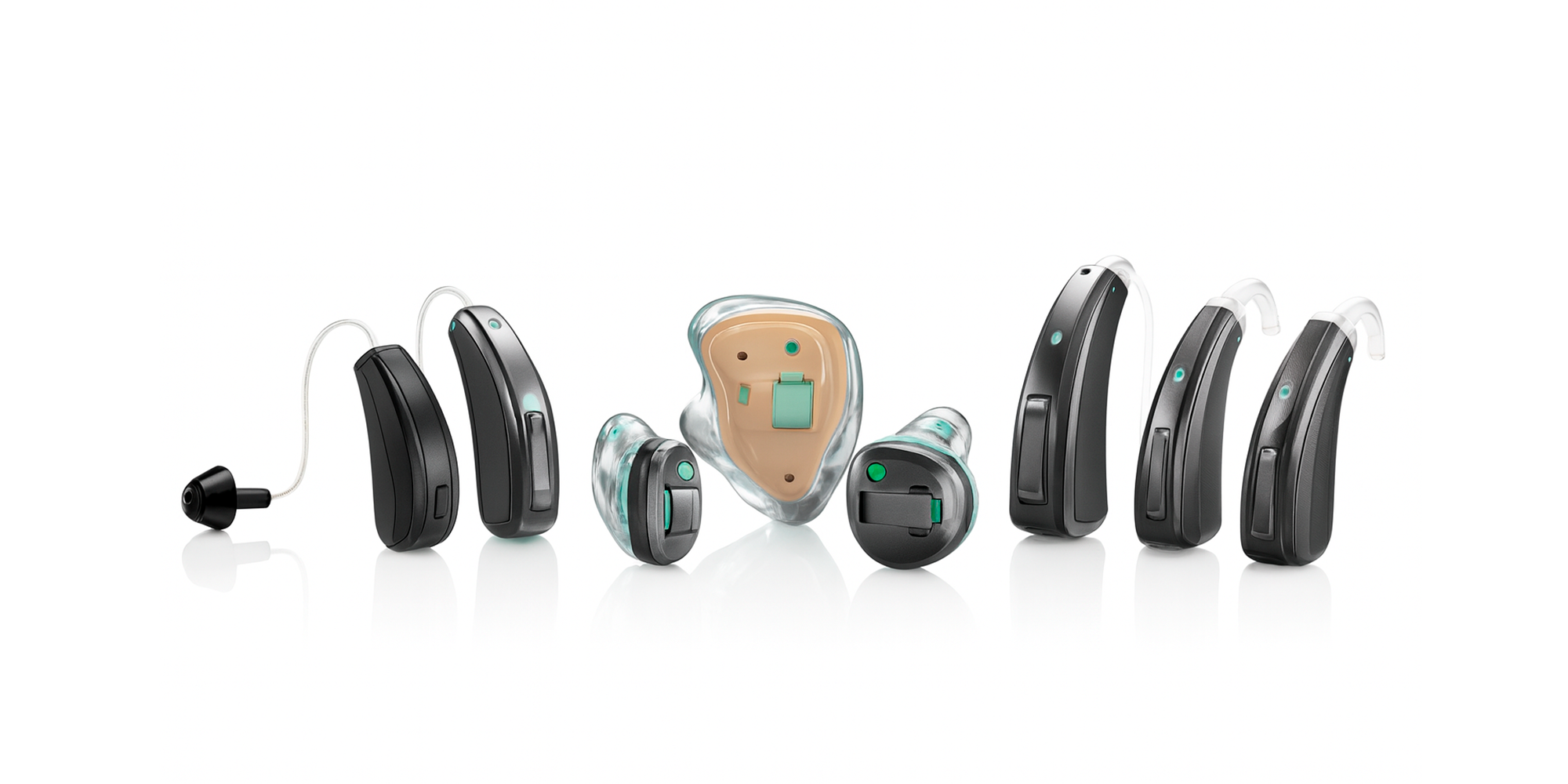
At SONIVA we specialize in hearing health. Our medicated hearing aids are designed to relieve tinnitus, improve hearing clarity and enhance quality of life. Through professional evaluation and personalized fitting, we help you regain peace of mind and reduce the impact of ringing.

SONIVA hearing aids

Frequently Asked Questions

Is tinnitus curable?
Not always, but with sound therapy, hearing-aid fitting and healthy habits you can lower its impact so it no longer dominates your day.
Can hearing aids help if my hearing seems “mostly fine”?
Yes. Even with mild loss, hearing aids with tinnitus features can stabilize input and lessen the perception of ringing.
What can I do at home?
Avoid total silence at bedtime (use soft sound or generators), limit caffeine and loud noise, and keep a steady sleep routi
Should I keep my aids on at night?
No. Charge them and use supportive sounds if needed. Your specialist will tailor the plan.
How often are follow-ups?
After the initial fitting, we usually review at 2–4 weeks and then every 3–6 months, or sooner if anything changes.